


CMS Lab Unveils Upgraded Cell Fusion C Expert Barriederm MD Cream

Professors Eung-ho Choi and Gui-young Park Share Clinical Research Findings on Barriederm MD Patented Ingredients NEO-CMS and pHarrier Shown to Help Maintain Skin pH
Medical Device (MD) creams may make long-term skin management more convenient for patients with atopic dermatitis, experts said. New research presented at the event also highlighted the potential benefits of maintaining a mildly acidic skin environment to support skin barrier function.
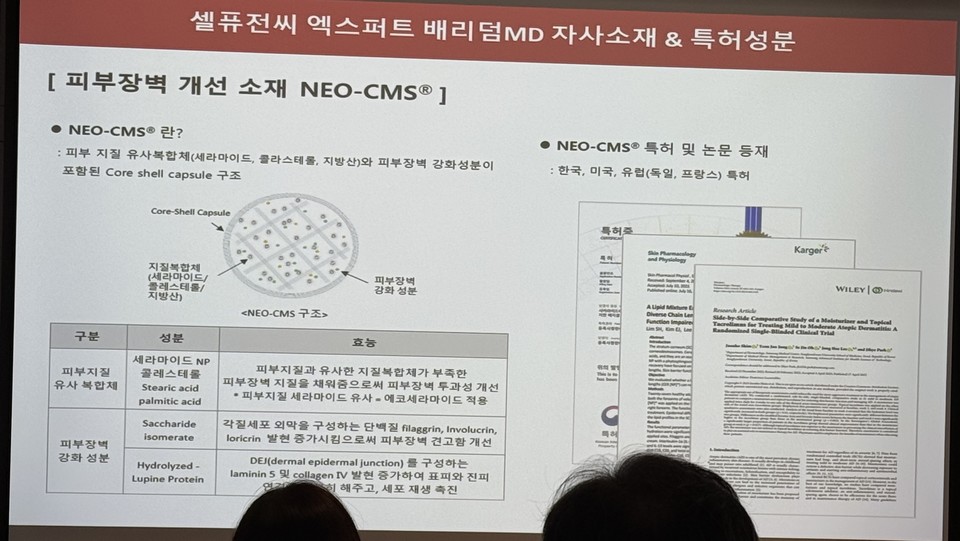 CMS LAB held a media day on October 14 to celebrate the upgraded launch of Barriederm MD Cream, from its medical-channel brand Cell Fusion C Expert.
Barriederm MD Cream is a Class II medical device classified as an adhesive transparent wound dressing. The upgraded formula contains NEO-CMS, a patented skin-barrier material designed to mimic the structure of the stratum corneum, as well as pHarrier, a patented Cell Fusion C Expert ingredient designed to support skin pH balance.
Maintaining an Acidic Skin Environment Is Key to a Healthy Skin Barrier
Professor Eung-ho Choi of the Department of Dermatology at Wonju Severance Christian Hospital, who delivered the first presentation, explained that the skin barrier includes the stratum corneum and granular layer.

“A healthy skin barrier prevents external toxins from entering the body,” he said.
According to Professor Choi, three factors are essential for maintaining skin barrier function:
- Preventing transepidermal water loss (TEWL)
- Maintaining moisture in the stratum corneum
- Maintaining the skin’s acidity (pH)
When the skin barrier is compromised, the structure of the stratum corneum weakens and protease activity increases, resulting in a rise in skin pH.
For patients with atopic dermatitis, Professor Choi emphasized the importance of maintaining skin pH at around 4.5, compared with the elevated pH levels that can occur in affected skin.
He explained that activation of NHE1 is important for lowering skin pH. According to the research presented, applying pHarrier for four weeks was associated with increased NHE1 activity and improvements related to skin acidity.
Professor Choi added that mildly acidic products that help prevent an increase in stratum corneum pH may help address mechanisms involved in atopic dermatitis. Animal studies have also reported that maintaining a mildly acidic environment may help inhibit the progression of the so-called “atopic march.”
Clinical Research Shows Improvements in Skin Hydration
Professor Gui-young Park of the Department of Dermatology at Chung-Ang University Hospital then presented clinical research findings on Barriederm MD Cream.
The research team conducted a clinical study in adults with atopic dermatitis to examine the relationship between impaired skin barrier function and the accumulation of advanced glycation end products (AGEs), which are compounds formed when proteins and other molecules undergo glycation.
During the study, participants applied Barriederm MD Cream three times a day for four weeks. Researchers evaluated changes in skin-barrier-related factors, including filaggrin and ceramides, as well as inflammatory markers.
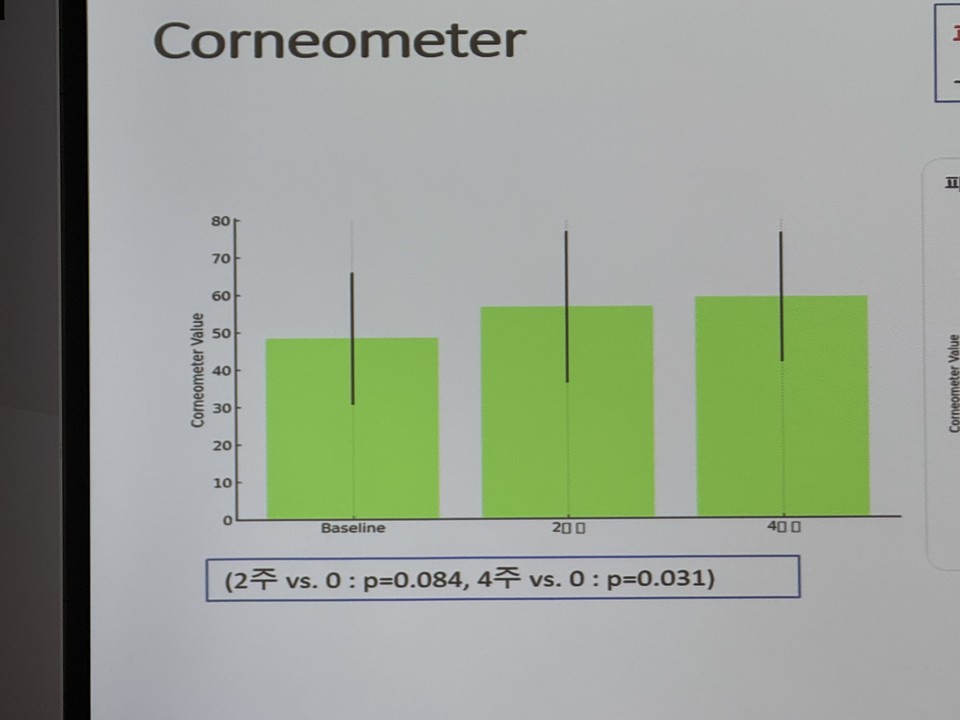
The results showed an increase in skin moisture after four weeks of use. More than half of the 16 participants also reported being very satisfied with the product.
The study further observed a tendency for higher AGE levels to be associated with increased inflammatory signaling in patients with atopic dermatitis. Although the study did not demonstrate a statistically significant improvement in AGE levels, a modest reduction was observed following use of the MD cream.
Professor Park added that the study also observed improvements in skin redness and skin texture.
“These findings suggest that the product may help maintain the skin in a mildly acidic state and support the maintenance of a pH of 4.5,” she said.